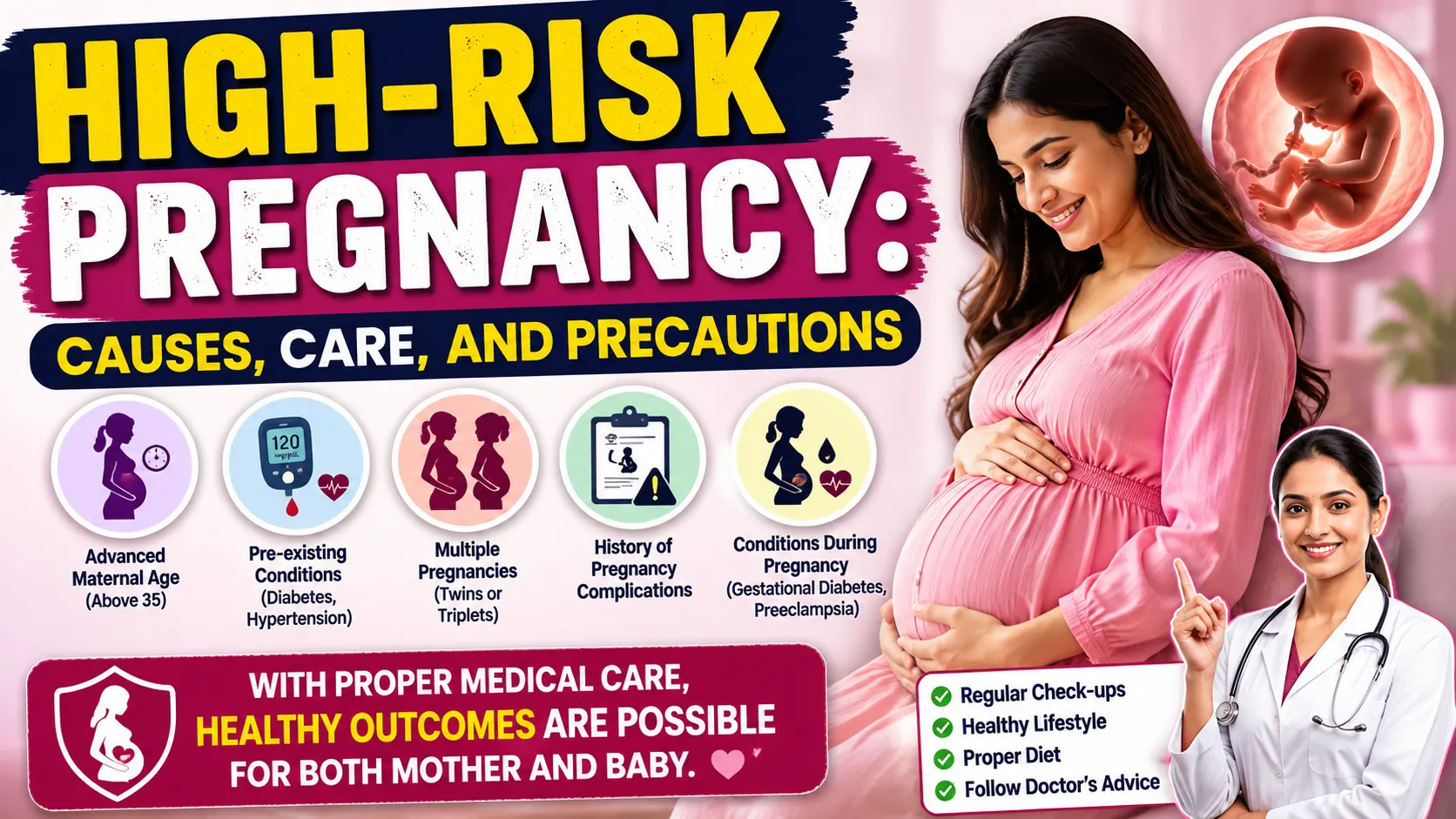
high-risk pregnancies, with proper medical care, result in healthy outcomes for both mother and baby.
Key Symptoms, Causes & Details
Common factors that contribute to high-risk pregnancies include advanced maternal age (above 35), pre-existing conditions like diabetes or hypertension, multiple pregnancies (twins or triplets), a history of pregnancy complications, and conditions developed during pregnancy such as gestational diabetes or preeclampsia.
Diagnosis & Treatment at Surekha Nursing Home
At Surekha Nursing Home, high-risk pregnancies receive specialised attention with more frequent antenatal visits, additional monitoring through ultrasounds and blood tests, and a customised care plan. Our obstetric team works to detect any warning signs early, allowing for timely intervention and reducing the risk of complications during delivery.
When Should You Consult a Doctor
Precautions for high-risk pregnancies include maintaining a healthy diet, avoiding strenuous activities as advised, taking prescribed medications consistently, and attending all scheduled checkups without fail. Mothers are also encouraged to monitor foetal movements and report any unusual changes immediately.
Why Choose Surekha Nursing Home, Korutla
Our hospital’s combination of experienced specialists, advanced diagnostic facilities, and round-the-clock emergency care makes us well-equipped to manage high-risk pregnancies safely. We believe that with the right support system, every high-risk pregnancy can be guided toward a safe and successful delivery.
Conclusion
Understanding high-risk pregnancy: causes, care, and precautions helps you make informed decisions about your health. At Surekha Nursing Home, Korutla’s most trusted multispeciality hospital since 1997, our experienced doctors and in-house diagnostic facilities ensure you get accurate answers and the right care, close to home. Book an appointment today by calling +91 79010 89108 or visiting snhkorutla.in.
FAQs
- Q: Does a high-risk pregnancy always mean complications will occur?
- A: No, it simply means closer monitoring is needed; many high-risk pregnancies result in healthy deliveries.
- Q: Can lifestyle changes reduce pregnancy risks?
- A: Yes, a balanced diet, moderate exercise, and avoiding smoking/alcohol significantly reduce risk factors.
- Q: Are more scans needed in a high-risk pregnancy?
- A: Yes, additional ultrasounds and tests help monitor the baby’s growth and detect issues early.
- Q: Should high-risk pregnancies deliver only in hospitals with NICU access?
- A: It is generally recommended for added safety, and our hospital is equipped to handle such cases.